

 English / engels
  Dutch / nederlands
[All pictures of garden wildlife on this page are thumbnails. Click on any thumbnail for a large format to be displayed.]
This chapter covers wasp types that are not described in the previous pages. Some belong to rather small families, represented by few species only. There is one exception though: the parasitic wasps. They make an enormous group, represented by well over 1,500 species just in Holland. Parasitic Wasps are among the most difficult to identify. Almost each and every species has one or more very similar clones. Of the many species photographed in our garden, only very few have been identified. And in many cases the identification could still be wrong! Below we describe the family or group the depicted animal belongs to.
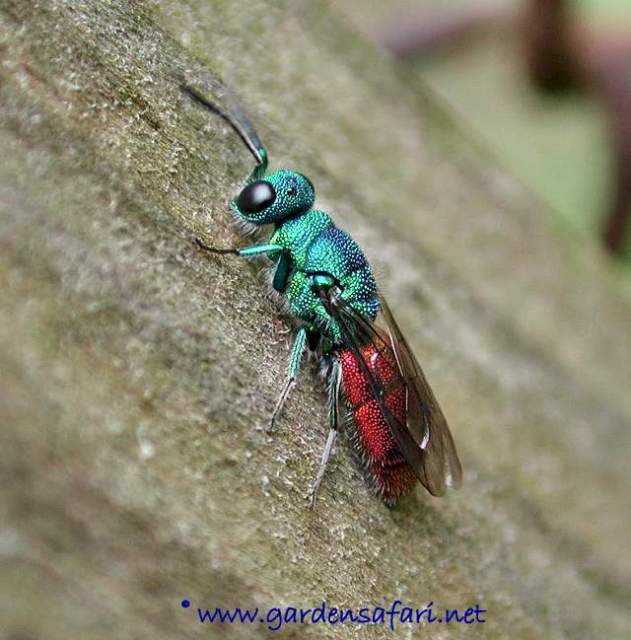
Common Cuckoo Wasp Chrysis ignata
The Common Cuckoo Wasps is among the most beautiful insects in Europe. More...
Family: Cuckoo Wasps (Chrysididae)
The Common Cuckoo Wasps is among the most beautiful insects in Europe. More...
Family: Cuckoo Wasps (Chrysididae)
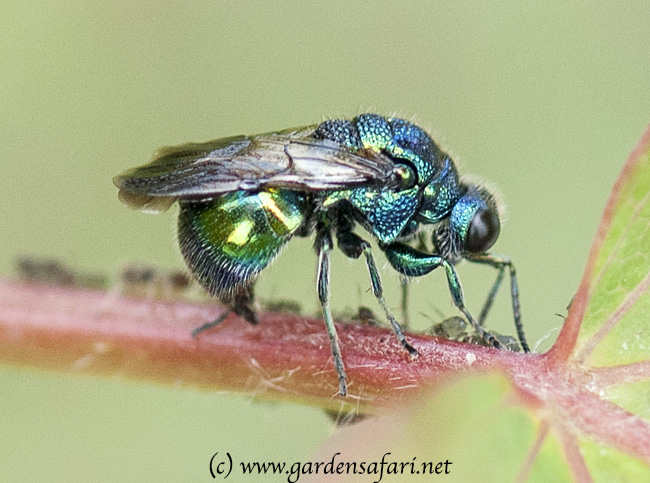
Pseudomalus violaceus
This small wasp with striking metallic colours is often very busy and hence not easy to photograph. More...
Family: Cuckoo Wasps (Chrysididae)
This small wasp with striking metallic colours is often very busy and hence not easy to photograph. More...
Family: Cuckoo Wasps (Chrysididae)
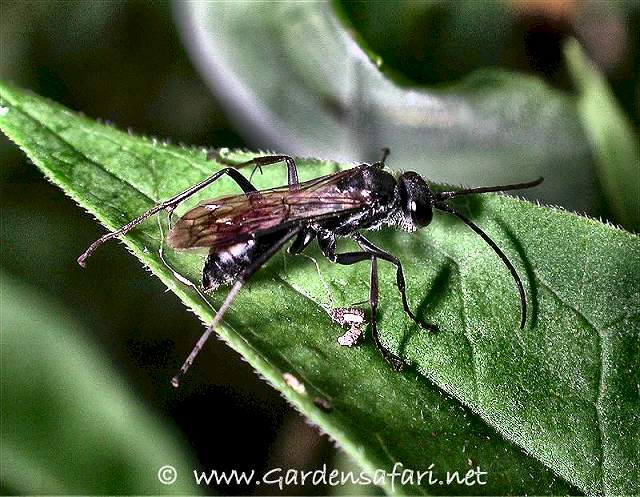
Spider Wasp Auplopus carbonarius
The easiest way to identify this Spider Wasp is by examining the way the female handles her prey. More...
Family: Spider Wasps (Pompilidae)
The easiest way to identify this Spider Wasp is by examining the way the female handles her prey. More...
Family: Spider Wasps (Pompilidae)
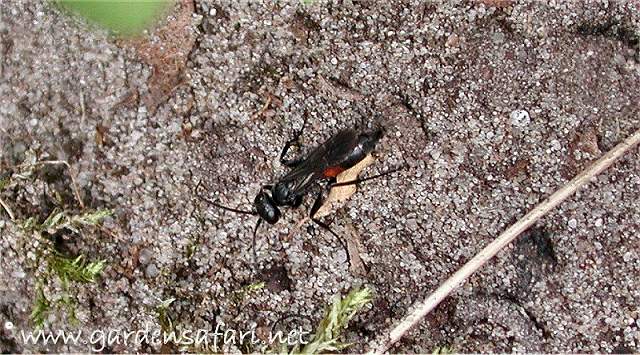
Spider Hunting Wasp Arachnospila species
This is one of the Spider Hunting Wasps, a group of similar black and red wasps hunting for spiders. More...
Family: Argidae
This is one of the Spider Hunting Wasps, a group of similar black and red wasps hunting for spiders. More...
Family: Argidae
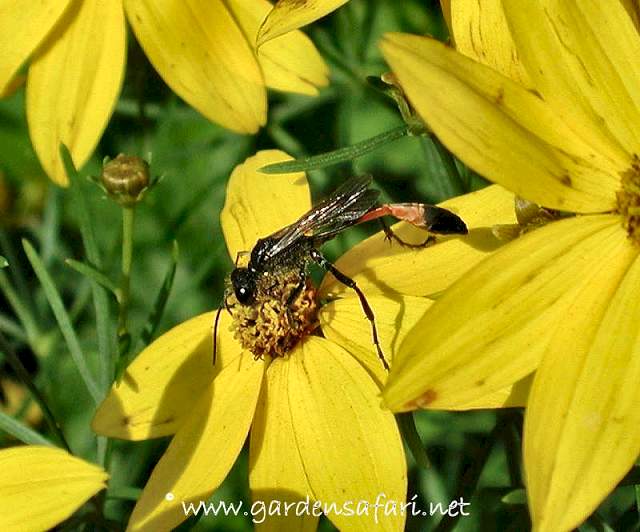
Sand Digger Wasp Ammophila sabulosa
The Sand Digger Wasp is quite common in gardens. It may be over 2 centimeters long and hunts for caterpillars. More...
Family: Digger Wasps (Sphecidae)
The Sand Digger Wasp is quite common in gardens. It may be over 2 centimeters long and hunts for caterpillars. More...
Family: Digger Wasps (Sphecidae)
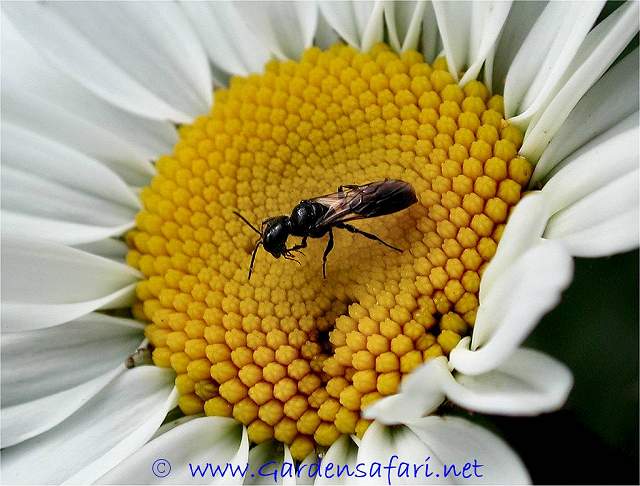
Pemphredon species
This is one of the Pemphredon species, which are very hard to identify indeed. More...
Family: Digger Wasps (Sphecidae)
This is one of the Pemphredon species, which are very hard to identify indeed. More...
Family: Digger Wasps (Sphecidae)
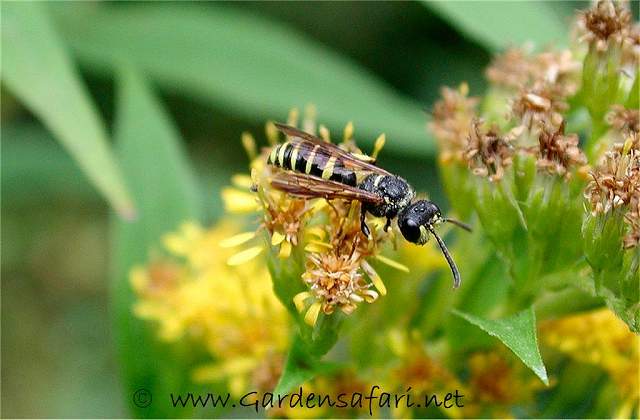
Cerceris arenaria
Cerceris arenaria is the biggest Cerceris species. Most hunt for weevils exclusively. More...
Family: Digger Wasps (Sphecidae)
Cerceris arenaria is the biggest Cerceris species. Most hunt for weevils exclusively. More...
Family: Digger Wasps (Sphecidae)
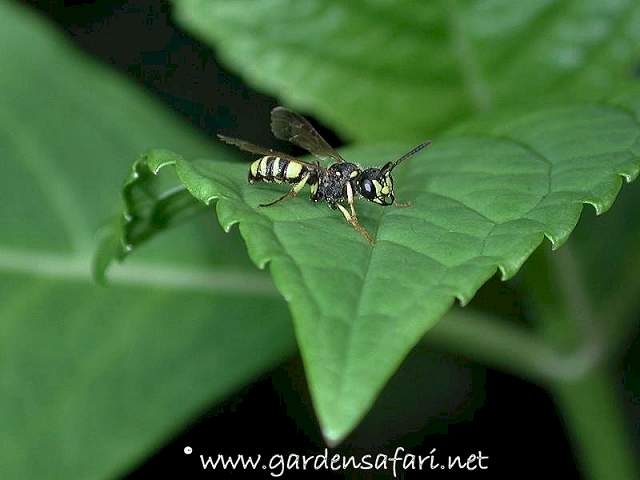
Cerceris quadricincta
Cerceris quadricincta is small compared to the previous species. More...
Family: Digger Wasps (Sphecidae)
Cerceris quadricincta is small compared to the previous species. More...
Family: Digger Wasps (Sphecidae)
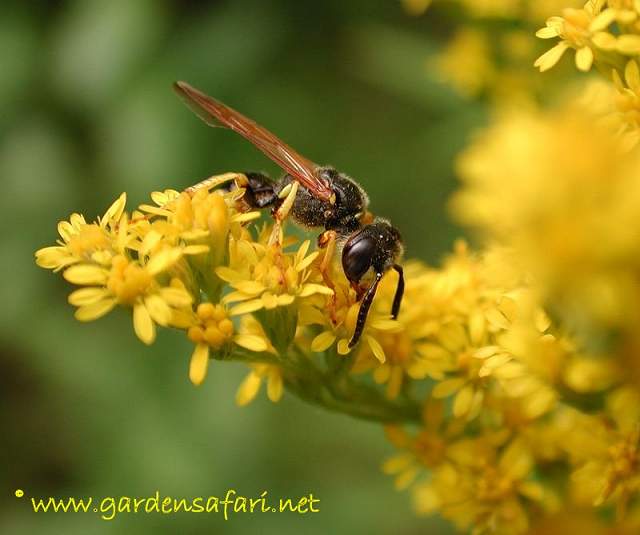
Bee Wolf Philanthus triangulum
The Bee Wolf is one of the very few well known Digger Wasps. More...
Family: Digger Wasps (Sphecidae)
The Bee Wolf is one of the very few well known Digger Wasps. More...
Family: Digger Wasps (Sphecidae)
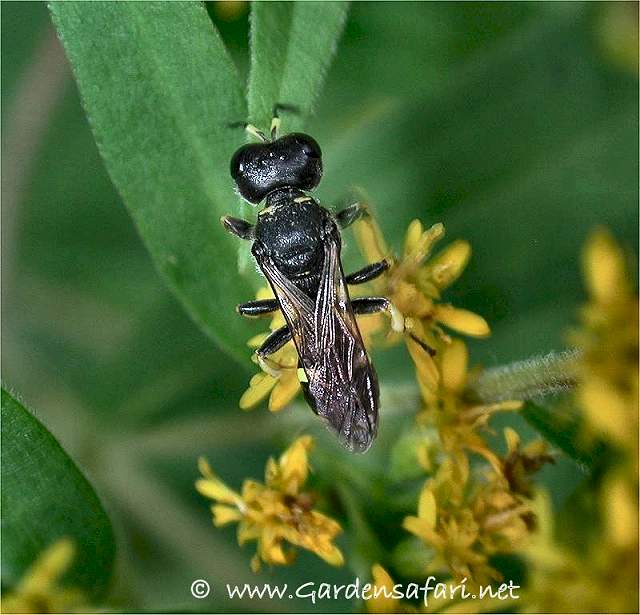
Ectemnius continuus
This Ectemnius continuus is often seen in gardens and hunts for flies. More...
Family: Digger Wasps (Sphecidae)
This Ectemnius continuus is often seen in gardens and hunts for flies. More...
Family: Digger Wasps (Sphecidae)
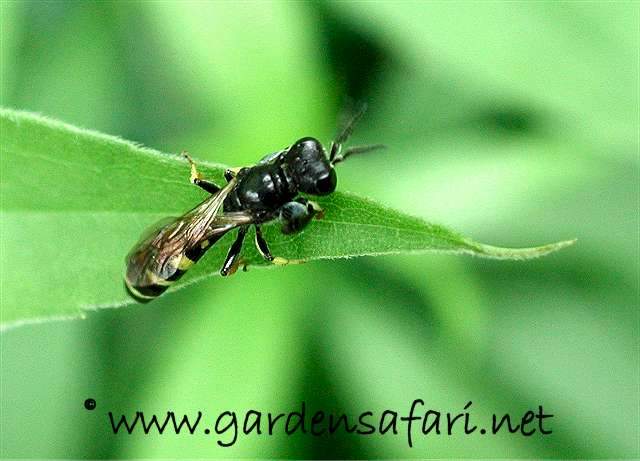
Crabro peltarius
This Crabro peltarius can be identified easily: the thorax is all black. More...
Family: Digger Wasps (Sphecidae)
This Crabro peltarius can be identified easily: the thorax is all black. More...
Family: Digger Wasps (Sphecidae)
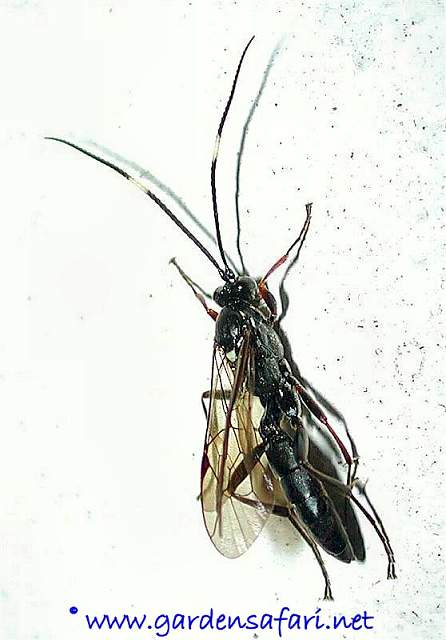
Aoplus personatus
Aoplus personatus deposits her eggs in the pupae of bigger moths. More...
Family: Parasitic Wasps (Ichneumonidae)
Aoplus personatus deposits her eggs in the pupae of bigger moths. More...
Family: Parasitic Wasps (Ichneumonidae)
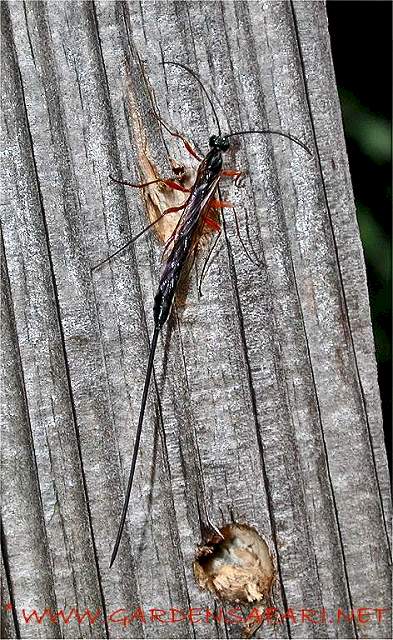
ephialtes sp
ephialtes species are big and have a very long ovipositor. This one deposited her eggs in the nests of Red Mason Bees. More...
Family: Parasitic Wasps (Ichneumonidae)
ephialtes species are big and have a very long ovipositor. This one deposited her eggs in the nests of Red Mason Bees. More...
Family: Parasitic Wasps (Ichneumonidae)
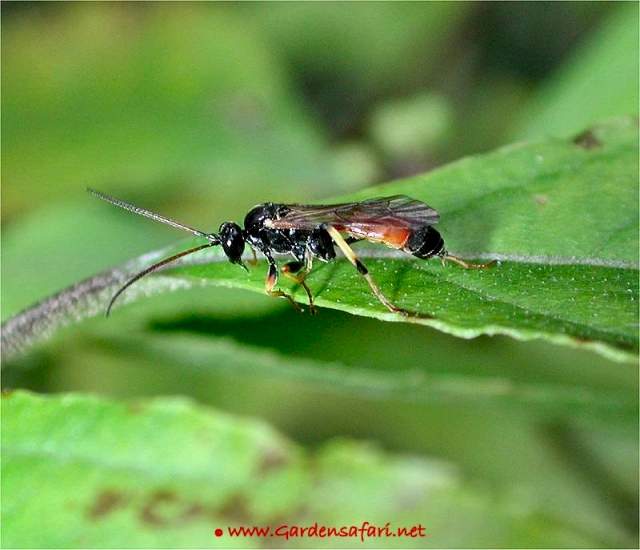
Diplazon spec.
The Diplazon species are difficult to tell apart. Most are parasitic to hover flies. More...
Family: Parasitic Wasps (Ichneumonidae)
The Diplazon species are difficult to tell apart. Most are parasitic to hover flies. More...
Family: Parasitic Wasps (Ichneumonidae)
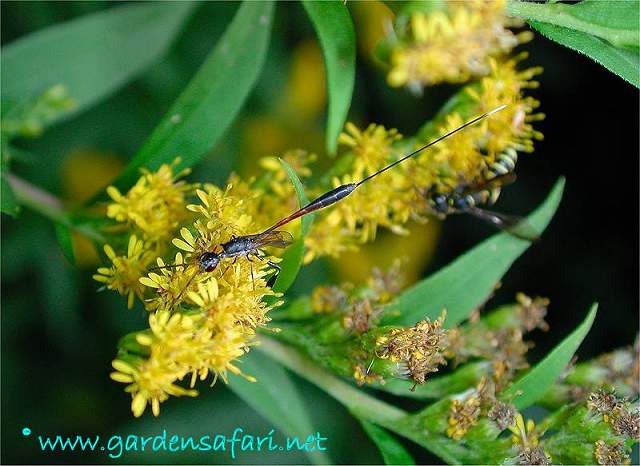
Gasteruption jaculator
Gasteruption jaculator belongs to its own small family of parasitic wasps. More...
Family: Gasteruptionidae
Gasteruption jaculator belongs to its own small family of parasitic wasps. More...
Family: Gasteruptionidae

© Copyright 1998-2024 gardensafari.net (Hania Berdys)