

 English / engels
  Dutch / nederlands
[All pictures of garden wildlife on this page are thumbnails. Click on any thumbnail for a large format to be displayed.]
The Leaf Beetles make up a very large beetle family. World wide over 3,500 species are known. In Holland there are over 300 species present. Probably about the same number will be found in Britain. Most leaf beetles are quite small, some are medium sized beetles. Many species do have striking colours once adult. Most larvae are active and many look like a small caterpillar. Both larvae and adults feed on plants. The leaves are usually eaten, hence the name of the family. Some species are dreaded in agriculture, such as the Colorado Potato Beetle. Others are feared by gardeners, such as the Lilly Beetle. The so-called Flea Beetles actually are Leaf Beetles too. They are very tiny (2 to 4 mm) and often jump about like fleas. Appearing in great numbers some species are harmful to flowers and crops as well. Leaf Beetles can be found in every garden, no matter how small. The big species are often seen easily, but the many small species normally go about unnoticed.
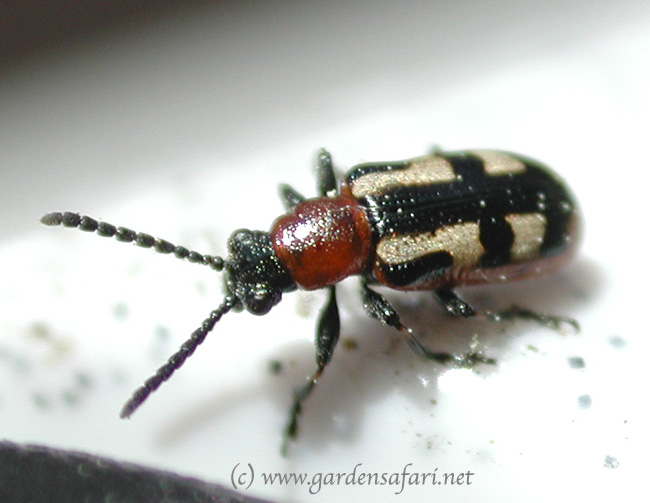
Asparagus Beetle (Crioceris asparagi)
The Asparagus Beetle is a beautiful, but very harmful species. More...
The Asparagus Beetle is a beautiful, but very harmful species. More...
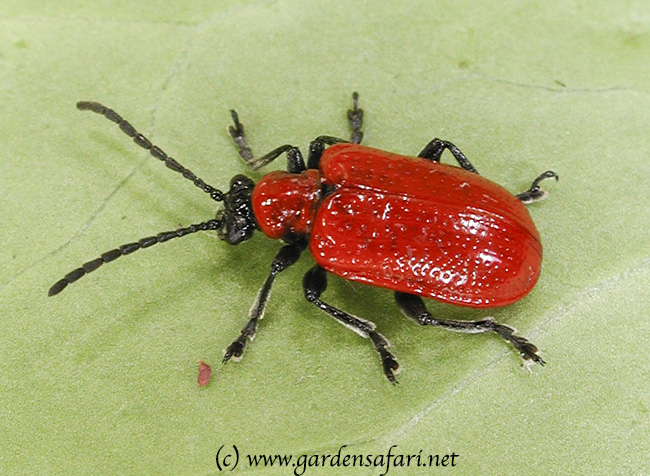
Lily Beetle (Lilioceris lilii)
The Lily Beetle is an unmistakable species, because of its scarlet colour. More...
The Lily Beetle is an unmistakable species, because of its scarlet colour. More...
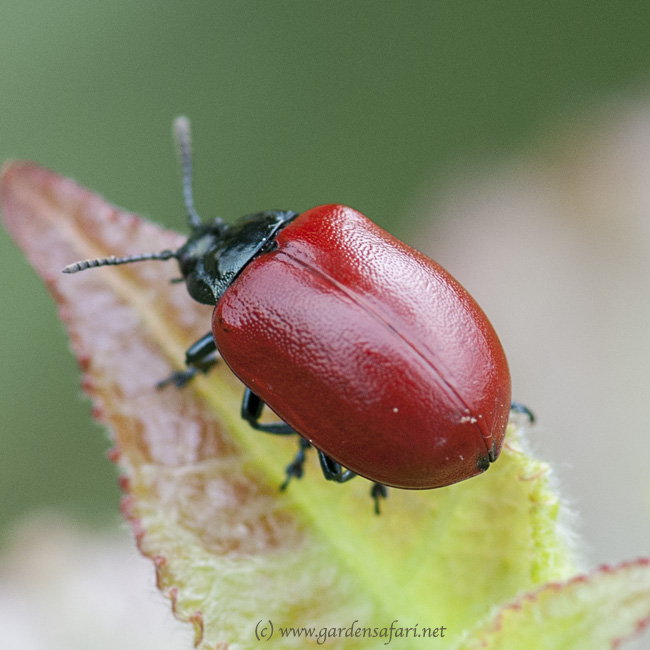
Poplar Leaf Beetle (Chrysomela populi)
The species' name 'Populi' comes from Latin word 'populus' meaning poplar, obviously pointing to the beetle's preference for host plant and source of food. More...
The species' name 'Populi' comes from Latin word 'populus' meaning poplar, obviously pointing to the beetle's preference for host plant and source of food. More...
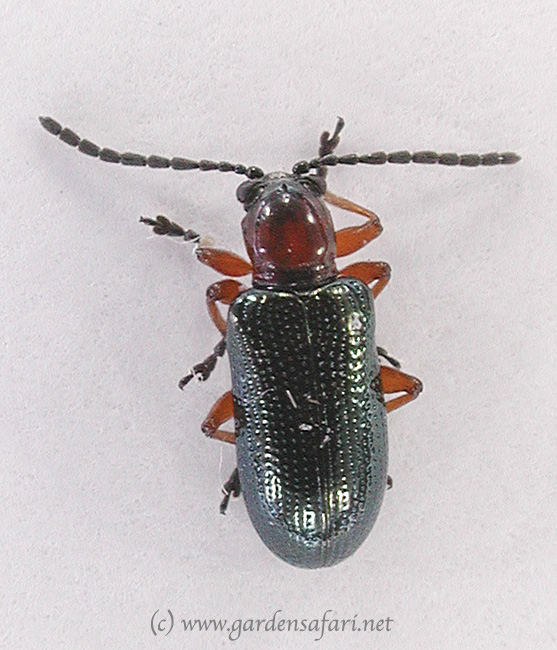
Cereal Leaf Beetle (Oulema melanopus / Oulema duftschmidi)
The Cereal Leaf Beetle used to be a devastating species in all kinds of cereal, including rice. More...
The Cereal Leaf Beetle used to be a devastating species in all kinds of cereal, including rice. More...
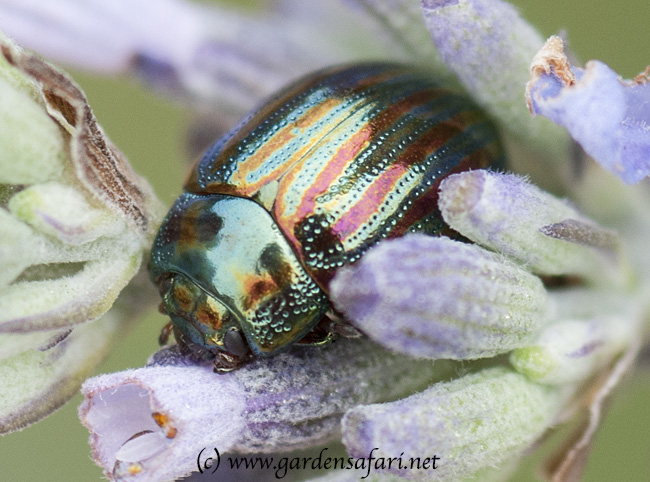
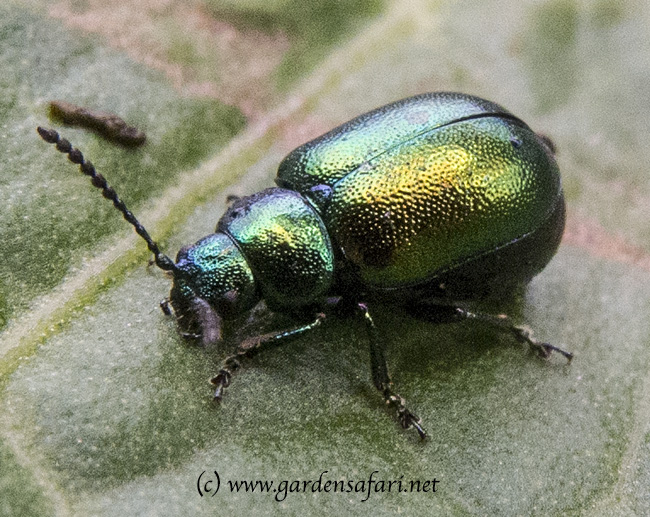
Tansy Leaf Beetle (Chrysolina graminis)
A lovely beetle with striking metallic greenish colouration. More...
A lovely beetle with striking metallic greenish colouration. More...
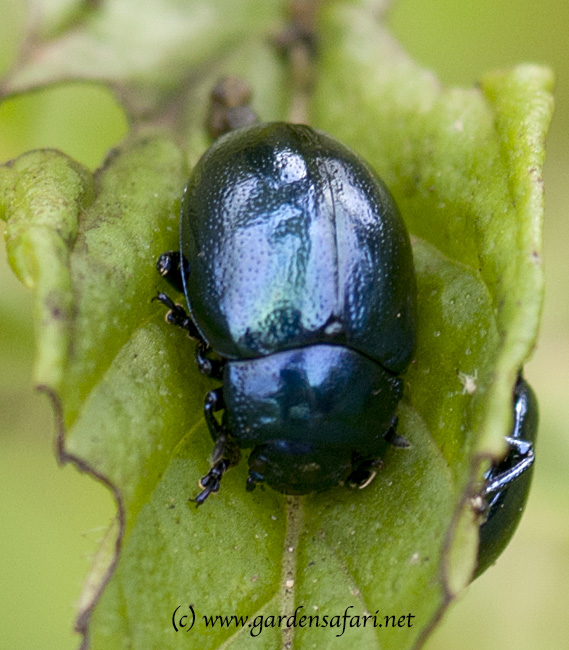
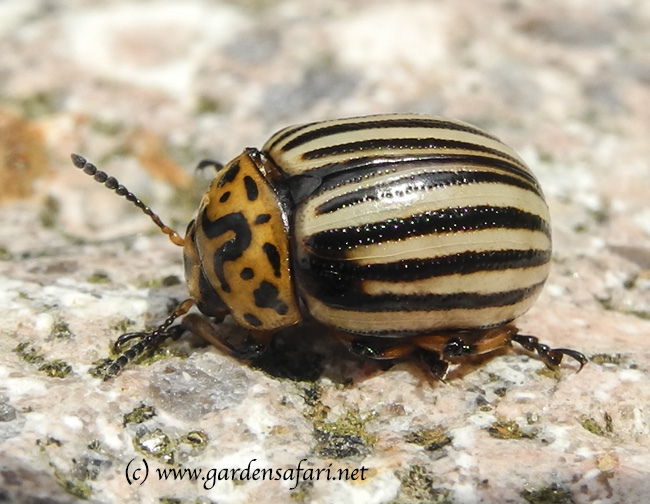
Colorado Potato Beetle (Leptinotarsa decemlineata)
The Colorado Potato Beetle is still angry at us, for we are eating its potatoes. More...
The Colorado Potato Beetle is still angry at us, for we are eating its potatoes. More...
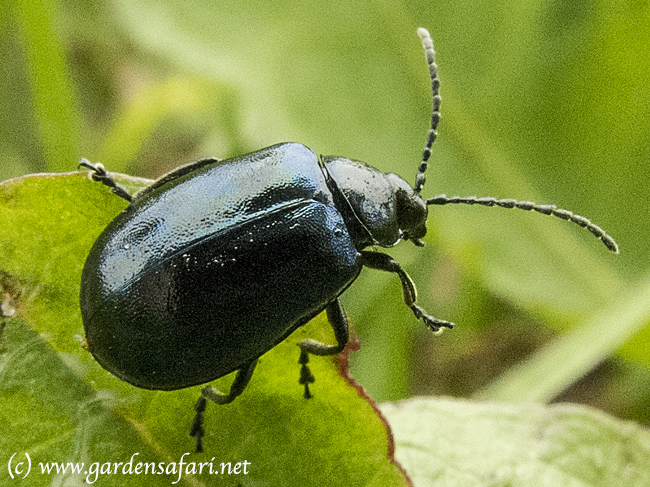
Alder Leaf Beetle (Agelastica alni)
The Alder Leaf Beetle regularly visits gardens just to have a look. More...
The Alder Leaf Beetle regularly visits gardens just to have a look. More...
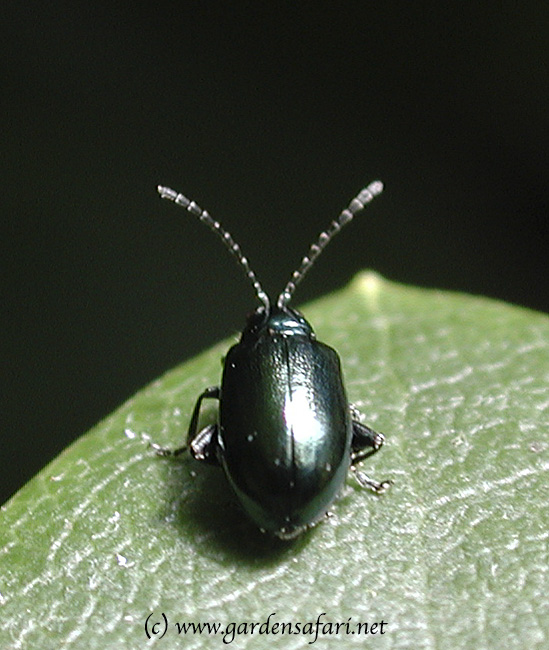
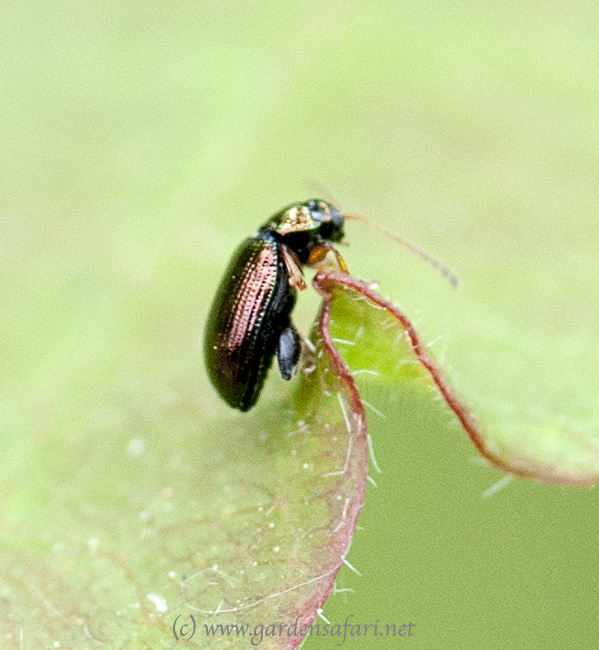
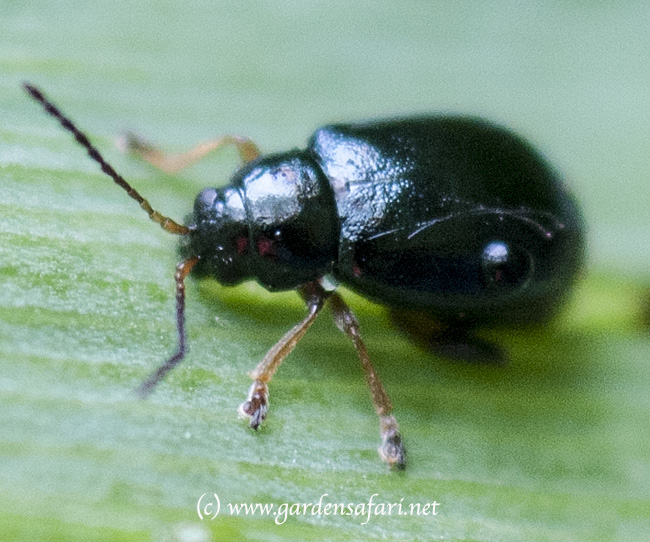
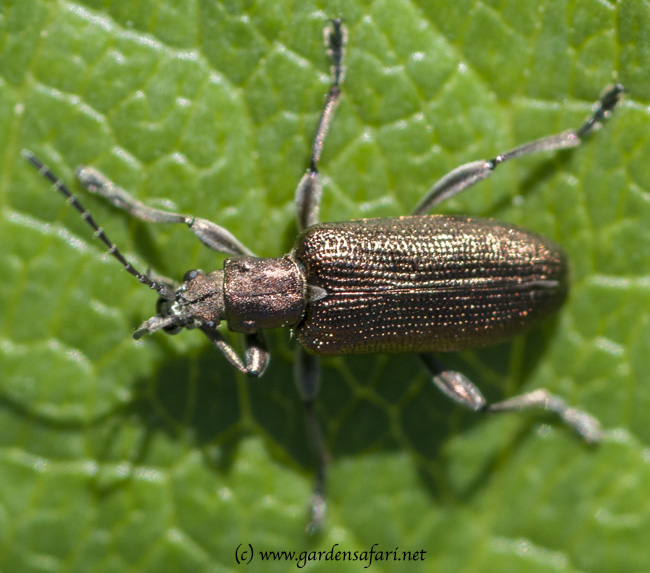
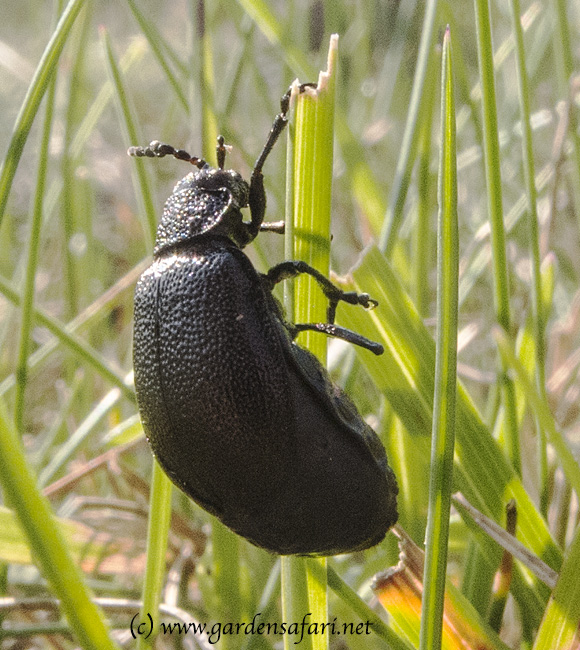

Bordered Tortoise Beetle (Cassida vittata)
The Bordered Tortoise Beetle is a truely remarkable creature. More...
The Bordered Tortoise Beetle is a truely remarkable creature. More...
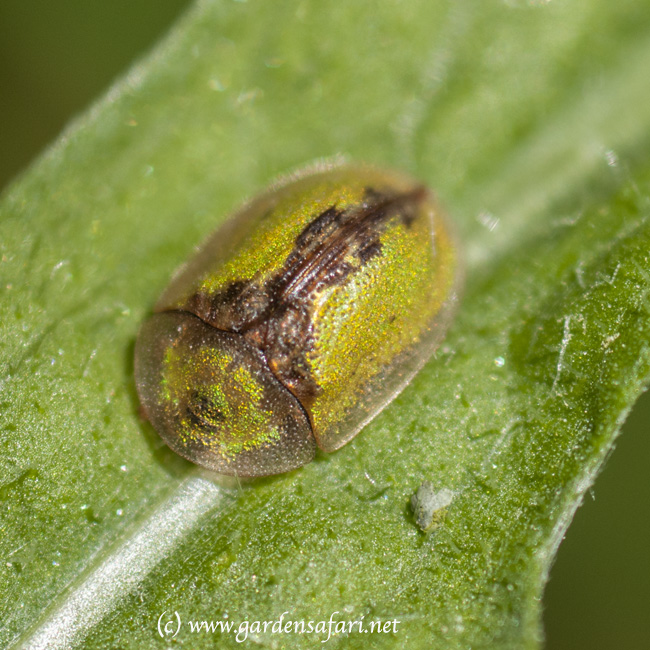
Tortoise Beetle (Cassida vibex)
This green tortoise beetle is difficult to identify, for there are two very similar species.More...
This green tortoise beetle is difficult to identify, for there are two very similar species.More...
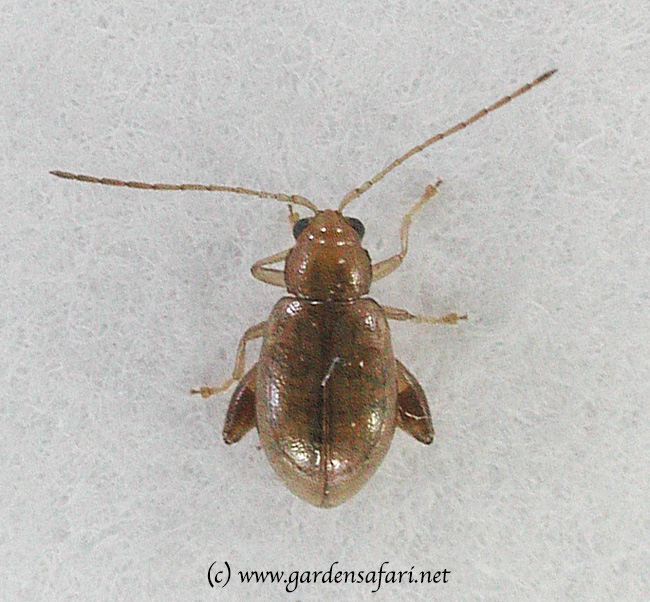
Longitarsus species
This Longitarsus species is only one of the many Flea Beetles: Leaf Beetles behaving just like fleas by jumping high into the air when threatened. More...
This Longitarsus species is only one of the many Flea Beetles: Leaf Beetles behaving just like fleas by jumping high into the air when threatened. More...


© Copyright 1998-2024 gardensafari.net (Hania Berdys)